
Tayo Coffee logo
TAYOCoffee

Our Process

From farm to cup, every step is built around quality.

At Tayo Coffee, we combine careful sourcing, disciplined processing and artisan roasting to bring out the best in African coffee while maintaining consistency, traceability and freshness.

Why our process matters

Excellent coffee is created long before the roast.

Exceptional coffee is never accidental. It is the result of careful harvesting, exact processing, controlled drying, disciplined grading and thoughtful roasting. Every step influences the cup: the sweetness, the body, the balance, the aroma and the finish. Our role is to protect the character of each origin while making sure each batch is consistent, clean and ready for market.

From the first hand-pick to the final package seal, Tayo Coffee treats quality as a system. That means paying attention to details that matter: ripeness at harvest, moisture control during drying, defect removal after grading, roasting profile precision and freshness after packing. When these factors work together, the result is coffee that is memorable in both the cup and the market.

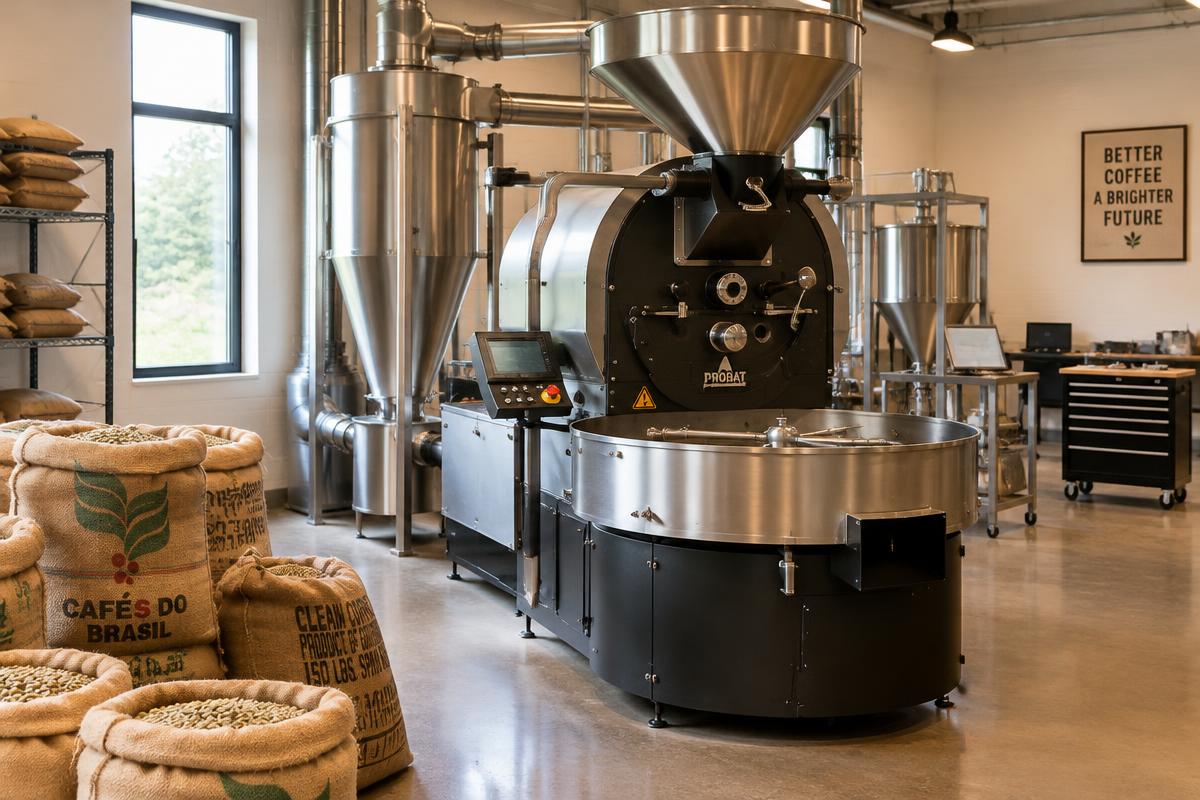
Modern coffee roasting and processing equipment

The Tayo journey

A six-stage production system designed for flavour, reliability and trust.

1

1. Sourcing & Farm Selection

We begin with disciplined sourcing. Tayo works closely with coffee-growing communities, cooperatives and producers across Kenya and Ethiopia to identify farms that produce exceptional quality, maturity and consistency. We assess altitude, varietal, climate, harvesting practices, processing methods and farmer reputation before a lot is accepted for purchase.

  • Traceable relationships with farms and washing stations
  • Harvest timing aligned with ripeness, sweetness and fruit development
  • Selection based on altitude, varietal, soil profile and production standards
  • Transparent pricing that rewards farmers for quality and consistency
2

2. Intake, Sorting & Cleaning

On arrival, harvested cherries or parchment are checked for moisture, cleanliness and uniformity. We remove underdeveloped, damaged or overripe materials before the coffee enters the core processing line. This first quality gate protects the final cup and reduces defects at the source.

  • Cherry and parchment intake with batch traceability
  • Visual sorting to remove broken, immature or damaged beans
  • Cleaning and density checks to separate lightweight and defective material
  • Pre-grading to establish quality potential before roasting
3

3. Washing, Fermentation & Drying

Depending on the lot, the beans undergo careful washing, fermentation and drying to refine clarity, sweetness and body. We respect the natural identity of each lot while ensuring the process is clean, consistent and controlled. Proper drying is essential for preserving cup quality and preventing defects during storage and shipping.

  • Washed and natural processing options selected to suit varietal and origin character
  • Fermentation managed to retain sweetness without unwanted sourness
  • Sun and mechanical drying methods controlled for stable moisture content
  • Conditioning and resting periods that improve stability before grading
4

4. Grading, Hulling & Quality Assurance

The parchment is hulled, cleaned again and sorted by screen size, density and appearance. We grade coffee by defect level and bean size, commonly using categories such as AA, AB and PB, to ensure the product matches the intended flavour profile and commercial specification. At this stage, quality control becomes highly precise and repeatable.

  • Hulling to remove parchment and reveal green coffee
  • Screen grading by size and uniformity
  • Defect removal and density-based sorting for cup consistency
  • Regular cupping and sensory checks to verify flavour potential
5

5. Roasting, Resting & Packaging

Roasting is where origin character is shaped into balance, aroma and complexity. We roast in controlled batches to highlight fruit, body, sweetness and finish while avoiding overdevelopment or bitterness. After roasting, the beans rest to stabilise flavour and aromatics before final grinding and packing. Packaging is designed to protect freshness and maintain sensory quality from roastery to customer.

  • Profile-driven roasting for signature taste and structure
  • Resting periods for stabilisation and fuller aroma development
  • Grind options tailored to brewing preferences and customer needs
  • Sealed packaging that locks in freshness and shelf life
6

6. Delivery, Export & Customer Support

Once packed, coffee is readied for local distribution or export. We manage documentation, compliance and logistics so customers receive consistent quality, on-time delivery and clear traceability. This final stage ensures the product reaches cafés, retail partners, wholesalers and export buyers in excellent condition and ready for the next cup.

  • Local and regional distribution across Kenya
  • Export preparation and shipping documentation support
  • Private label and custom packaging requests for business buyers
  • Responsive communication for orders, fulfilment and ongoing supply planning

Quality control

What we monitor at every stage

Bean maturity

We assess ripeness and harvest timing so only the right cherries enter the process.

Moisture stability

Drying and resting periods are tightly managed to preserve flavour and reduce defects.

Defect reduction

Sorting and grading remove damaged, immature or irregular beans before roasting.

Cup consistency

Cupping, tasting and repeat checks ensure each lot performs to specification.